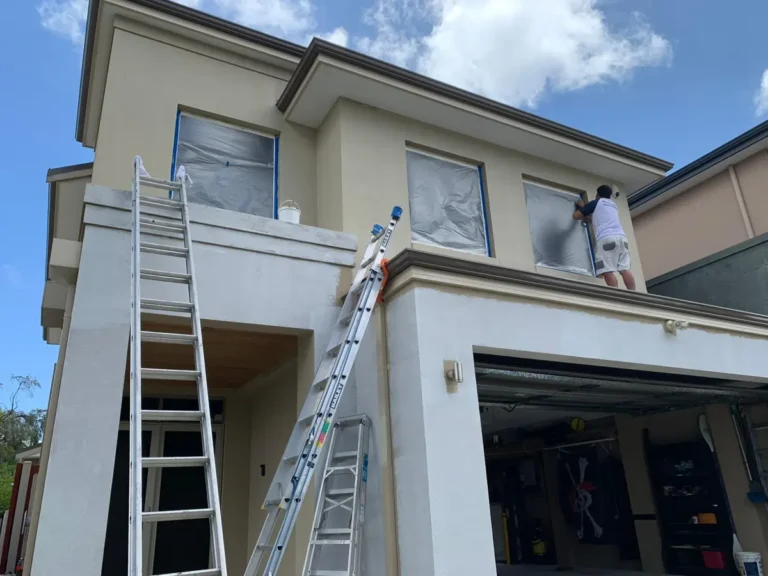
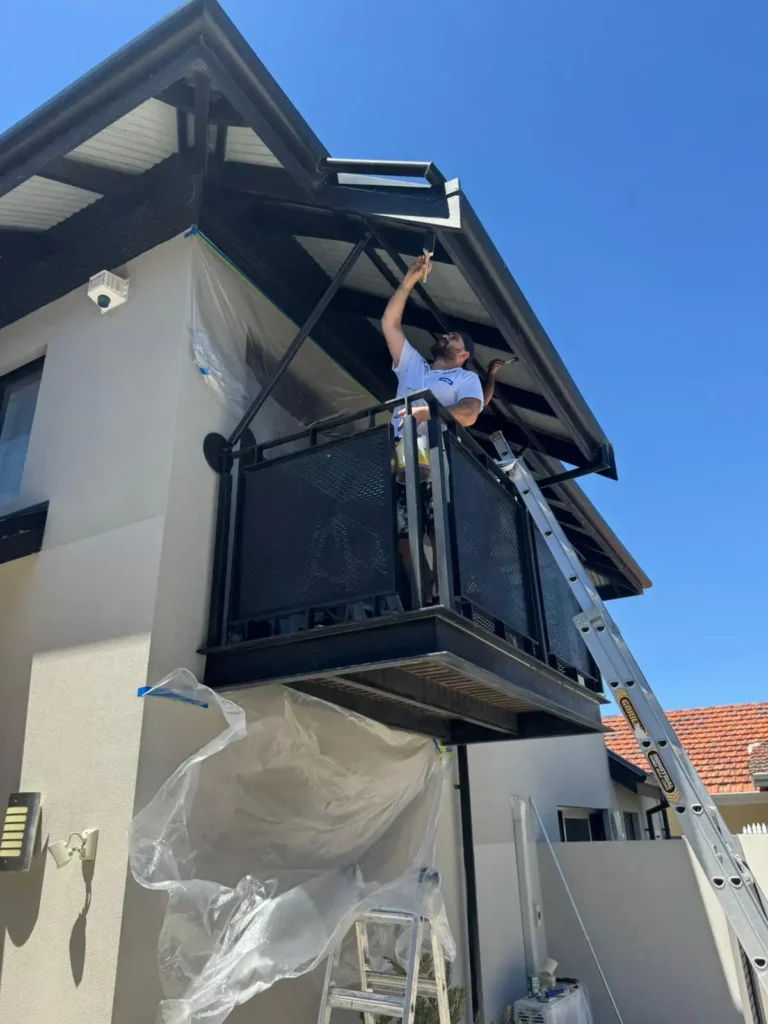
Managing a commercial property involves much more than responding to urgent repairs and keeping tenants satisfied. The condition of the building’s painted surfaces also plays an important role in protecting the property, maintaining its professional appearance and preserving its long-term value.
Commercial paintwork is constantly exposed to daily wear, cleaning chemicals, accidental damage, moisture, sunlight, dust and changing weather conditions. Without regular inspections and preventative maintenance, small defects can quickly develop into peeling paint, water damage, surface deterioration or expensive repainting work.
At Golden Touch Painting Services Perth, we help property managers, facility managers, strata managers and commercial property owners protect their buildings with practical, tailored painting maintenance solutions. With more than 20 years of hands-on experience, we understand the importance of maintaining commercial properties without causing unnecessary disruption to tenants, employees, customers or normal business operations.
This detailed commercial painting maintenance Perth checklist explains what property managers should inspect, how often different areas should be reviewed, which warning signs require professional attention and how planned maintenance can reduce long-term costs.
Why Commercial Painting Maintenance Matters in Perth
Perth’s climate is one of the most demanding in Australia when it comes to paint performance. Long, dry summers with intense UV, sudden winter downpours, coastal salt spray, and the famous Fremantle Doctor all combine to place enormous stress on exterior and interior surfaces. Even the best paint system will begin to break down without a proper maintenance plan in place.
Here’s why routine commercial painting maintenance in Perth is non-negotiable:
- Protects the building envelope. Paint is the first line of defence against moisture ingress, UV degradation, mould, mildew, and structural deterioration.
- Preserves property value. A well-presented commercial building holds its market value and attracts higher-quality tenants and customers.
- Reduces long-term costs. Regular touch-ups and inspections cost a fraction of a full repaint or major restoration.
- Improves safety and compliance. Fresh line markings, warning colours, and hygienic coatings in kitchens and washrooms help you meet workplace safety and health regulations.
- Enhances brand perception. Whether it’s a medical centre, retail store, or office space, clean and modern paintwork signals professionalism and care.
Simply put, maintenance is the smartest way to make your paint investment last longer, work harder, and pay for itself many times over.
How Often Should Commercial Properties in Perth Be Repainted?
This is one of the most common questions we hear from property managers, and the honest answer is: it depends. The right repaint cycle for your building depends on the substrate, the exposure, the paint system used, and the amount of foot traffic the space receives.
As a general guide, here are the timeframes we recommend for Perth commercial properties:
- Exterior walls and façades: Every 5 to 10 years, depending on exposure and paint quality.
- Interior walls in low-traffic areas: Every 7 to 10 years.
- Interior walls in high-traffic areas (corridors, foyers, retail spaces): Every 3 to 5 years.
- Trims, doors, and window frames: Every 4 to 6 years.
- Roof coatings: Every 8 to 12 years, with inspections every 2 years.
- Line marking and car park coatings: Every 2 to 4 years.
Between full repaints, a structured maintenance program keeps your building in optimum condition and pushes those repaint intervals as far as possible.
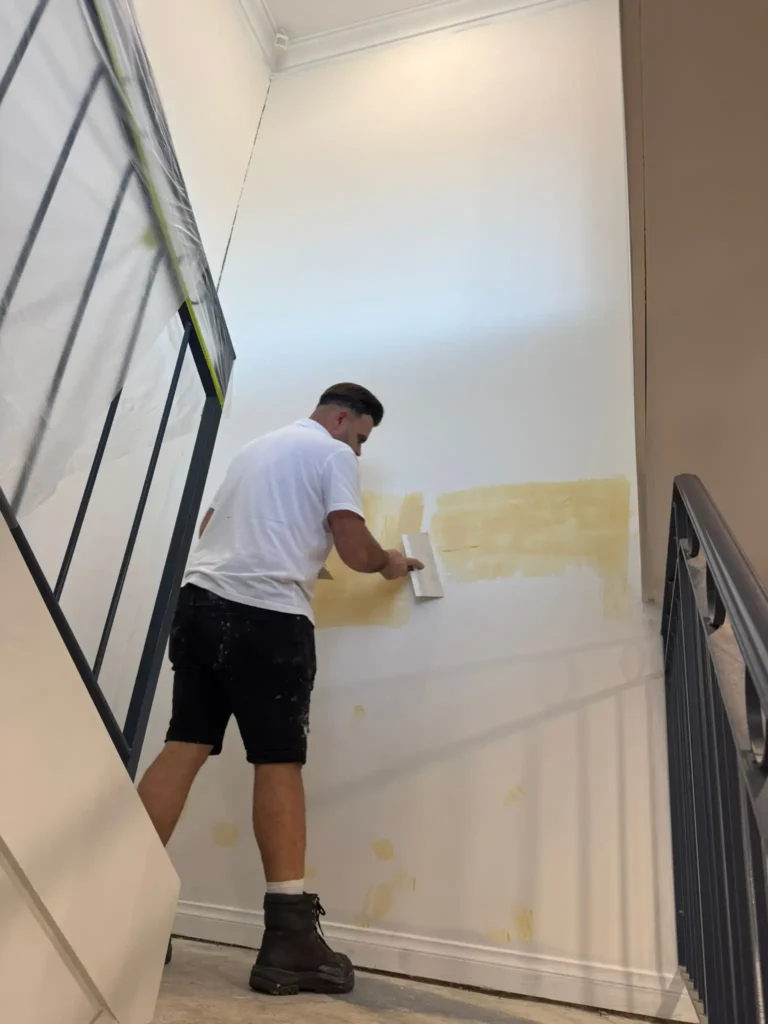
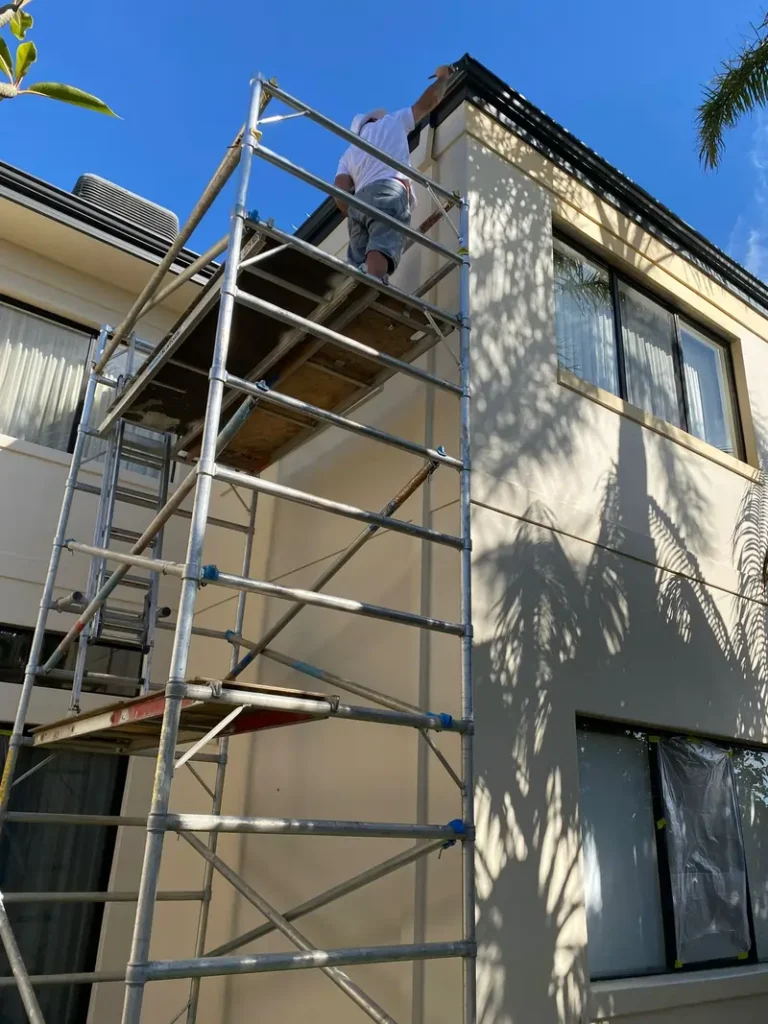
How the Unique Perth Climate Impacts Commercial Paintwork
To effectively manage commercial properties in WA, you must understand the environmental forces at play. Perth’s climate is notoriously tough on exterior coatings.
- Extreme UV Radiation: Perth is one of the sunniest cities in the world. Relentless ultraviolet (UV) exposure accelerates the degradation of paint binders, leading to a phenomenon known as “chalking” (a powdery residue on the surface) and severe colour fading, particularly on darker shades and western-facing facades.
- Coastal Salt Air: If your property is situated in coastal hubs like Fremantle, Cottesloe, or Joondalup, the salt-laden sea breeze is a constant threat. Salt accumulation accelerates corrosion on metal fittings and degrades paint films rapidly. Regular fresh-water wash-downs are essential in these zones.
- Thermal Expansion and Contraction: Scorching 40-degree summer days followed by cool evenings cause building materials to expand and contract. This thermal movement can cause rigid paints to crack, split, and peel, allowing moisture to enter during winter storms.
- Heavy Winter Rains: While our summers are dry, Perth winters bring intense, driving rain. If summer UV rays have compromised the paint’s elasticity, winter rains will penetrate these micro-cracks, leading to blistering, mould growth, and substrate damage.
Commercial Painting Maintenance Perth Checklist
The following checklist can help property managers establish a practical inspection and maintenance routine.
Inspect Interior Walls for Scuffs, Marks and Impact Damage
Interior walls in commercial properties experience ongoing contact from furniture, trolleys, deliveries, equipment, staff and customers. Even high-quality paint can develop marks and damage in busy areas.
Look for:
- Scuff marks
- Scratches
- Chips
- Dents
- Furniture impact marks
- Handprints
- Dirty lower wall sections
- Damage around doorways
- Marks near switches and access controls
- Worn corners and edges
Minor marks may sometimes be cleaned, depending on the coating type. However, aggressive cleaning can create shiny patches, remove pigment or damage the paint film.
Touch-up painting may be suitable when the existing colour and finish can be matched accurately. Where damage is widespread, repainting the entire wall may provide a more consistent result.
Property managers should keep a record of the original paint colour, brand, product name and sheen level. This information makes future maintenance easier and reduces the risk of visible colour differences.
Check High-Traffic Areas More Frequently
Not every part of a commercial property wears at the same rate. Corridors, entries, stairwells and shared spaces generally require more frequent maintenance than private offices or low-use storage areas.
High-traffic areas include:
- Main entrances
- Lift lobbies
- Reception areas
- Hallways
- Staircases
- Waiting rooms
- Shared kitchens
- Public bathrooms
- Retail change rooms
- Loading and service areas
These spaces often create the first impression of the property. Chipped, dirty or badly marked walls can make an otherwise well-managed building appear neglected.
A planned maintenance program may include scheduled touch-ups every six or twelve months, rather than waiting until the entire area requires repainting.
For busy commercial environments, we can recommend durable, washable and low-maintenance coatings suited to the level of use.
Look for Peeling, Flaking or Bubbling Paint
Peeling, flaking and bubbling should not be ignored. These problems usually indicate that the paint has lost adhesion or that moisture is affecting the surface.
Common causes include:
- Water leaks
- Rising damp
- Poor surface preparation
- Painting over contaminated surfaces
- Incompatible coatings
- Excessive humidity
- Structural movement
- Failed sealants
- Roof or plumbing issues
- Painting before surfaces were completely dry
Simply applying new paint over peeling areas will not provide a lasting result. The damaged coating must be removed, the source of the problem identified and the surface prepared properly.
If bubbling or flaking appears near ceilings, windows, bathrooms or external walls, arrange an inspection promptly. Early action may prevent larger sections of the coating from failing.
Check for Water Stains and Moisture Damage
Water stains are often an early indication of a roof leak, plumbing problem, failed waterproofing system or moisture entering through the building envelope.
Inspect:
- Ceilings
- Cornices
- Walls below windows
- Areas around air-conditioning systems
- Bathrooms
- Kitchens
- Basement walls
- External-facing walls
- Areas near downpipes
- Plant rooms and service areas
Signs of moisture damage may include:
- Yellow or brown stains
- Dark patches
- Bubbling paint
- Soft plasterboard
- Mould growth
- Musty odours
- Efflorescence on masonry
- Cracking around affected areas
The moisture source should be repaired before repainting begins. Painting too soon may trap moisture or allow the stain to bleed through the new coating.
Professional surface preparation may involve stain-blocking primers, mould treatment, patching, drying and the application of a suitable commercial coating system.
Monitor Mould, Mildew and Fungal Growth
Mould is more than an appearance issue. It may indicate excess moisture, inadequate ventilation, water intrusion or persistent condensation.
Commercial property managers should check wet and poorly ventilated areas regularly, including:
- Bathrooms
- Laundries
- Kitchens
- Storage rooms
- Basements
- Plant rooms
- Areas behind furniture
- Air-conditioning zones
- South-facing external walls
- Rooms with limited airflow
Painting directly over mould does not solve the underlying problem. The source of moisture must be addressed, and affected surfaces should be treated properly before repainting.
Where suitable, mould-resistant paints can be used in areas exposed to higher humidity. However, these products should form part of a complete moisture-management approach rather than being treated as a substitute for ventilation or building repairs.
Inspect Ceilings and Cornices
Ceilings can show early signs of roof leaks, plumbing problems, movement and ageing paintwork.
Look for:
- Cracks
- Water stains
- Sagging
- Flaking paint
- Discolouration
- Mould
- Gaps along cornices
- Joint lines
- Patchy previous repairs
Ceiling damage is highly visible under commercial lighting, particularly in offices, retail spaces and reception areas. Poorly matched touch-ups may also stand out because light reflects differently across the surface.
When repairing ceilings, we focus on preparation, smooth patching and consistent application to achieve a clean, uniform finish.
Inspect Doors, Frames and Skirting Boards
Doors, door frames, architraves and skirting boards receive frequent contact and often deteriorate faster than walls.
Check for:
- Chips around handles and locks
- Scratches
- Worn edges
- Paint transfer
- Peeling near floor level
- Damage from cleaning equipment
- Dents and impact marks
- Rust on metal frames
- Failed coatings on timber surfaces
These areas may require more durable enamel or water-based trim coatings than standard wall paint.
Regular maintenance can prevent exposed timber from absorbing moisture and exposed metal from developing corrosion.
Door and trim painting can often be completed in stages to minimise disruption across occupied commercial properties.
Review External Walls for Weather Damage
Perth’s hot summers, strong sunlight, rain, wind and changing temperatures can place considerable pressure on exterior paint systems.
External inspections should include:
- Rendered walls
- Brickwork
- Concrete surfaces
- Fascias
- Eaves
- Soffits
- External doors
- Window frames
- Balustrades
- Fences
- Gates
- Signs and architectural features
Look for chalking, fading, cracking, blistering, peeling and exposed surfaces.
Chalking occurs when the paint surface breaks down and leaves a powdery residue. Some weathering is normal over time, but heavy chalking may indicate that the coating is nearing the end of its serviceable life.
Areas receiving strong afternoon sun may fade faster than shaded sections. Darker colours can also absorb more heat, which may increase movement and stress in certain materials.
A professional exterior assessment can help determine whether cleaning, spot repairs, recoating or a full repaint is required.
Check Coastal and Salt-Exposed Properties Carefully
Commercial properties located near the coast may experience accelerated coating failure because of salt, moisture and wind exposure.
Salt deposits can collect on:
- Metal railings
- Balustrades
- External doors
- Window frames
- Structural steel
- Fences
- Gates
- Roofline components
- Painted masonry
If salt contamination is not removed before painting, it may affect adhesion and contribute to corrosion.
Coastal commercial painting maintenance may require more regular washing, corrosion inspections and protective coating renewal.
We can recommend coating systems designed for the material, location and level of environmental exposure.
Inspect Metal Surfaces for Rust and Corrosion
Rust should be treated as early as possible. Once corrosion spreads beneath the coating, more extensive surface preparation may be required.
Inspect:
- Steel doors
- Frames
- Handrails
- Balustrades
- Bollards
- Fences
- Gates
- Structural steel
- Staircases
- Loading dock components
- Service equipment
Warning signs include:
- Orange or brown staining
- Blistering around metal edges
- Flaking paint
- Pitting
- Exposed steel
- Rust marks running onto nearby surfaces
The correct repair process may involve removing loose coatings, treating corrosion, applying a compatible primer and recoating with a suitable protective finish.
Painting over rust without correct preparation may temporarily hide the problem, but it will not stop the corrosion process.
Examine Timber Surfaces for Deterioration
Painted timber requires regular maintenance because exposed or poorly protected timber can absorb moisture, swell, split or rot.
Check:
- External doors
- Timber windows
- Fascias
- Eaves
- Decorative trims
- Decking elements
- Handrails
- Pergolas
- Heritage features
Look for cracking, peeling, soft timber, open joints and exposed end grain.
Minor coating breakdown should be repaired before moisture reaches deeper into the timber. Where deterioration is advanced, carpentry repairs may be required before painting.
Heritage and character properties may need additional care to protect original features and maintain an appropriate finish.
Inspect Sealants and Joints Around Painted Areas
Failed sealants can allow water to enter behind painted surfaces.
Check joints around:
- Windows
- Doors
- Wall penetrations
- Expansion joints
- Flashings
- External fixtures
- Signage
- Pipes
- Air-conditioning units
Cracked, loose or missing sealant should be repaired with a suitable product before painting.
Paint alone cannot bridge large gaps or compensate for failed joints. Correct sealing helps prevent moisture intrusion and supports the performance of the coating system.
Check Painted Floors and Line Markings
Commercial floors, warehouse coatings and safety markings can wear quickly under vehicles, foot traffic, machinery and cleaning equipment.
Inspect:
- Car park lines
- Pedestrian walkways
- Loading zones
- Warehouse safety markings
- Disabled parking symbols
- Directional arrows
- Exclusion zones
- Factory floor coatings
- Stair nosings
- Service corridors
Faded or damaged line markings can affect the appearance, organisation and safety of a property.
Recoating should be planned before markings become difficult to see. The surface may need cleaning, degreasing, abrasion or repairs before new coatings are applied.
Review Colour Consistency Across the Property
Commercial properties are often repainted in stages. Over time, this can create inconsistent colours and finishes.
Differences may occur because of:
- Paint fading
- Different batches
- Incorrect colour records
- Changes in product formulations
- Different sheen levels
- Poorly blended touch-ups
- Previous repairs
- Uneven surface porosity
Property managers should maintain a paint register containing:
- Room or area name
- Paint manufacturer
- Product name
- Colour name and code
- Finish or sheen level
- Date applied
- Painter or contractor details
- Surface preparation notes
This information can save time and improve consistency during future maintenance.
Where the existing coating has faded significantly, an exact touch-up may no longer be possible. Repainting the full wall or complete area may provide a better visual result.
Assess Previous Touch-Ups and Repairs
Poor touch-ups can make commercial interiors look patchy and unprofessional.
Review repaired areas under both natural and artificial light. Look for:
- Visible roller marks
- Different sheen levels
- Colour mismatch
- Uneven patching
- Paint flashing
- Rough repairs
- Incomplete coverage
Touch-ups are most successful when the original coating is still relatively new, the same paint is available and the application method can be matched.
Older walls may require full-panel or full-wall repainting because the existing paint has changed through ageing, cleaning and UV exposure.
Check Areas Behind Furniture and Equipment
Damage and moisture issues may remain hidden behind:
- Filing cabinets
- Shelving
- Refrigerators
- Display units
- Machinery
- Storage racks
- Desks
- Wall-mounted equipment
During scheduled inspections, move accessible items where practical and check for mould, scratches, water damage and coating deterioration.
For fixed equipment, inspect visible edges and ask tenants or maintenance staff to report leaks or unusual odours promptly.
Inspect Areas Affected by Cleaning Chemicals
Commercial cleaners may use disinfectants, degreasers and strong cleaning products that can gradually damage painted surfaces.
Common warning signs include:
- Fading
- Softened paint
- Streaking
- Shiny patches
- Loss of colour
- Peeling near frequently cleaned areas
Cleaning methods should suit the coating system. Abrasive pads and concentrated chemicals can reduce the life of the paint.
In medical, hospitality and food-service environments, we can recommend durable coatings that are better suited to frequent cleaning.
Record Cracks and Building Movement
Not every crack is caused by paint failure. Some cracks may result from settlement, thermal movement, vibration, joint movement or structural issues.
Monitor:
- Cracks around doors and windows
- Ceiling joint cracks
- Repeated cracks in patched areas
- External render cracks
- Separation along cornices
- Cracks near structural joints
Photographing cracks and recording the date can help determine whether they are stable or continuing to grow.
Painting should only proceed after the cause has been considered. Significant or recurring cracks may require assessment by an appropriate building professional before cosmetic repairs are completed.
Review Tenant Vacancies and Make-Good Requirements
Vacancy periods provide an ideal opportunity to complete painting work with less disruption.
Before a tenant moves out, inspect:
- Wall damage
- Unapproved colours
- Signage removal areas
- Holes and fixings
- Door damage
- Ceiling stains
- Kitchen and bathroom wear
- Skirting boards
- Reception areas
- External tenancy entries
A clear make-good scope should distinguish between reasonable wear, tenant damage and planned property upgrades.
Completing painting before marketing the space can improve presentation and help prospective tenants visualise a clean, ready-to-use property.
Check Branding and Corporate Colour Requirements
Some commercial properties require consistency with brand colours, signage guidelines or national fit-out standards.
Before repainting, confirm:
- Approved colour codes
- Brand guidelines
- Feature wall requirements
- Landlord restrictions
- Strata approvals
- Heritage requirements
- Tenant specifications
- Signage locations
Colour samples should be reviewed in the actual space because lighting, surrounding finishes and surface texture can affect how a colour appears.
Review Paint Condition Before Lease Inspections
Paintwork should be inspected before routine tenancy reviews, owner inspections or asset reports.
A well-maintained property reflects positively on management and demonstrates that preventative maintenance is being taken seriously.
Before an inspection, address:
- Obvious wall marks
- Peeling paint
- Water stains
- Damaged entrances
- Poorly presented reception areas
- Rust
- Graffiti
- Failed touch-ups
- Unfinished repairs
Not every issue requires immediate full repainting. A professional contractor can help prioritise urgent, preventative and cosmetic work.
Inspect After Severe Weather
After heavy rain, strong winds or unusually hot conditions, inspect external and moisture-prone areas.
Check for:
- Water intrusion
- New stains
- Coating blisters
- Cracked render
- Damage around windows
- Failed sealants
- Peeling external paint
- Rust
- Debris impact
- Water pooling
Early identification can reduce the extent of future repairs.
Plan Repainting Before Complete Coating Failure
Waiting until paint is severely peeling or damaged may increase preparation costs.
When coatings reach the later stages of deterioration, the work may require:
- Extensive scraping
- Sanding
- Repairs
- Priming
- Mould treatment
- Rust treatment
- Multiple finish coats
Repainting while the existing coating remains mostly sound can be more economical because less corrective preparation may be needed.
The ideal timing depends on the substrate, coating system, exposure and use of the area.
Keep Accurate Maintenance Records
A commercial painting maintenance register can help property managers plan budgets, track recurring issues and demonstrate responsible asset management.
Records should include:
- Inspection dates
- Photographs
- Defects identified
- Recommended action
- Urgency level
- Work completed
- Products and colours used
- Warranty information
- Contractor details
- Next review date
Consistent records are particularly valuable for multi-site portfolios, strata properties and facilities managed by several team members.
Commercial Painting Maintenance Perth Checklist
The following checklist can help property managers establish a practical inspection and maintenance routine.
Look for Peeling, Flaking or Bubbling Paint
Peeling, flaking and bubbling should not be ignored. These problems usually indicate that the paint has lost adhesion or that moisture is affecting the surface.
Common causes include:
- Water leaks
- Rising damp
- Poor surface preparation
- Painting over contaminated surfaces
- Incompatible coatings
- Excessive humidity
- Structural movement
- Failed sealants
- Roof or plumbing issues
- Painting before surfaces were completely dry
Simply applying new paint over peeling areas will not provide a lasting result. The damaged coating must be removed, the source of the problem identified and the surface prepared properly.
If bubbling or flaking appears near ceilings, windows, bathrooms or external walls, arrange an inspection promptly. Early action may prevent larger sections of the coating from failing.
Check for Water Stains and Moisture Damage
Water stains are often an early indication of a roof leak, plumbing problem, failed waterproofing system or moisture entering through the building envelope.
Inspect:
- Ceilings
- Cornices
- Walls below windows
- Areas around air-conditioning systems
- Bathrooms
- Kitchens
- Basement walls
- External-facing walls
- Areas near downpipes
- Plant rooms and service areas
Signs of moisture damage may include:
- Yellow or brown stains
- Dark patches
- Bubbling paint
- Soft plasterboard
- Mould growth
- Musty odours
- Efflorescence on masonry
- Cracking around affected areas
The moisture source should be repaired before repainting begins. Painting too soon may trap moisture or allow the stain to bleed through the new coating.
Professional surface preparation may involve stain-blocking primers, mould treatment, patching, drying and the application of a suitable commercial coating system.
Monitor Mould, Mildew and Fungal Growth
Mould is more than an appearance issue. It may indicate excess moisture, inadequate ventilation, water intrusion or persistent condensation.
Commercial property managers should check wet and poorly ventilated areas regularly, including:
- Bathrooms
- Laundries
- Kitchens
- Storage rooms
- Basements
- Plant rooms
- Areas behind furniture
- Air-conditioning zones
- South-facing external walls
- Rooms with limited airflow
Painting directly over mould does not solve the underlying problem. The source of moisture must be addressed, and affected surfaces should be treated properly before repainting.
Where suitable, mould-resistant paints can be used in areas exposed to higher humidity. However, these products should form part of a complete moisture-management approach rather than being treated as a substitute for ventilation or building repairs.
Inspect Ceilings and Cornices
Ceilings can show early signs of roof leaks, plumbing problems, movement and ageing paintwork.
Look for:
- Cracks
- Water stains
- Sagging
- Flaking paint
- Discolouration
- Mould
- Gaps along cornices
- Joint lines
- Patchy previous repairs
Ceiling damage is highly visible under commercial lighting, particularly in offices, retail spaces and reception areas. Poorly matched touch-ups may also stand out because light reflects differently across the surface.
When repairing ceilings, we focus on preparation, smooth patching and consistent application to achieve a clean, uniform finish.
Inspect Doors, Frames and Skirting Boards
Doors, door frames, architraves and skirting boards receive frequent contact and often deteriorate faster than walls.
Check for:
- Chips around handles and locks
- Scratches
- Worn edges
- Paint transfer
- Peeling near floor level
- Damage from cleaning equipment
- Dents and impact marks
- Rust on metal frames
- Failed coatings on timber surfaces
These areas may require more durable enamel or water-based trim coatings than standard wall paint.
Regular maintenance can prevent exposed timber from absorbing moisture and exposed metal from developing corrosion.
Door and trim painting can often be completed in stages to minimise disruption across occupied commercial properties.
Review External Walls for Weather Damage
Perth’s hot summers, strong sunlight, rain, wind and changing temperatures can place considerable pressure on exterior paint systems.
External inspections should include:
- Rendered walls
- Brickwork
- Concrete surfaces
- Fascias
- Eaves
- Soffits
- External doors
- Window frames
- Balustrades
- Fences
- Gates
- Signs and architectural features
Look for chalking, fading, cracking, blistering, peeling and exposed surfaces.
Chalking occurs when the paint surface breaks down and leaves a powdery residue. Some weathering is normal over time, but heavy chalking may indicate that the coating is nearing the end of its serviceable life.
Areas receiving strong afternoon sun may fade faster than shaded sections. Darker colours can also absorb more heat, which may increase movement and stress in certain materials.
A professional exterior assessment can help determine whether cleaning, spot repairs, recoating or a full repaint is required.
Check Coastal and Salt-Exposed Properties Carefully
Commercial properties located near the coast may experience accelerated coating failure because of salt, moisture and wind exposure.
Salt deposits can collect on:
- Metal railings
- Balustrades
- External doors
- Window frames
- Structural steel
- Fences
- Gates
- Roofline components
- Painted masonry
If salt contamination is not removed before painting, it may affect adhesion and contribute to corrosion.
Coastal commercial painting maintenance may require more regular washing, corrosion inspections and protective coating renewal.
We can recommend coating systems designed for the material, location and level of environmental exposure.
Inspect Metal Surfaces for Rust and Corrosion
Rust should be treated as early as possible. Once corrosion spreads beneath the coating, more extensive surface preparation may be required.
Inspect:
- Steel doors
- Frames
- Handrails
- Balustrades
- Bollards
- Fences
- Gates
- Structural steel
- Staircases
- Loading dock components
- Service equipment
Warning signs include:
- Orange or brown staining
- Blistering around metal edges
- Flaking paint
- Pitting
- Exposed steel
- Rust marks running onto nearby surfaces
The correct repair process may involve removing loose coatings, treating corrosion, applying a compatible primer and recoating with a suitable protective finish.
Painting over rust without correct preparation may temporarily hide the problem, but it will not stop the corrosion process.
Examine Timber Surfaces for Deterioration
Painted timber requires regular maintenance because exposed or poorly protected timber can absorb moisture, swell, split or rot.
Check:
- External doors
- Timber windows
- Fascias
- Eaves
- Decorative trims
- Decking elements
- Handrails
- Pergolas
- Heritage features
Look for cracking, peeling, soft timber, open joints and exposed end grain.
Minor coating breakdown should be repaired before moisture reaches deeper into the timber. Where deterioration is advanced, carpentry repairs may be required before painting.
Heritage and character properties may need additional care to protect original features and maintain an appropriate finish.
Inspect Sealants and Joints Around Painted Areas
Failed sealants can allow water to enter behind painted surfaces.
Check joints around:
- Windows
- Doors
- Wall penetrations
- Expansion joints
- Flashings
- External fixtures
- Signage
- Pipes
- Air-conditioning units
Cracked, loose or missing sealant should be repaired with a suitable product before painting.
Paint alone cannot bridge large gaps or compensate for failed joints. Correct sealing helps prevent moisture intrusion and supports the performance of the coating system.
Check Painted Floors and Line Markings
Commercial floors, warehouse coatings and safety markings can wear quickly under vehicles, foot traffic, machinery and cleaning equipment.
Inspect:
- Car park lines
- Pedestrian walkways
- Loading zones
- Warehouse safety markings
- Disabled parking symbols
- Directional arrows
- Exclusion zones
- Factory floor coatings
- Stair nosings
- Service corridors
Faded or damaged line markings can affect the appearance, organisation and safety of a property.
Recoating should be planned before markings become difficult to see. The surface may need cleaning, degreasing, abrasion or repairs before new coatings are applied.
Review Colour Consistency Across the Property
Commercial properties are often repainted in stages. Over time, this can create inconsistent colours and finishes.
Differences may occur because of:
- Paint fading
- Different batches
- Incorrect colour records
- Changes in product formulations
- Different sheen levels
- Poorly blended touch-ups
- Previous repairs
- Uneven surface porosity
Property managers should maintain a paint register containing:
- Room or area name
- Paint manufacturer
- Product name
- Colour name and code
- Finish or sheen level
- Date applied
- Painter or contractor details
- Surface preparation notes
This information can save time and improve consistency during future maintenance.
Where the existing coating has faded significantly, an exact touch-up may no longer be possible. Repainting the full wall or complete area may provide a better visual result.
Assess Previous Touch-Ups and Repairs
Poor touch-ups can make commercial interiors look patchy and unprofessional.
Review repaired areas under both natural and artificial light. Look for:
- Visible roller marks
- Different sheen levels
- Colour mismatch
- Uneven patching
- Paint flashing
- Rough repairs
- Incomplete coverage
Touch-ups are most successful when the original coating is still relatively new, the same paint is available and the application method can be matched.
Older walls may require full-panel or full-wall repainting because the existing paint has changed through ageing, cleaning and UV exposure.
Check Areas Behind Furniture and Equipment
Damage and moisture issues may remain hidden behind:
- Filing cabinets
- Shelving
- Refrigerators
- Display units
- Machinery
- Storage racks
- Desks
- Wall-mounted equipment
During scheduled inspections, move accessible items where practical and check for mould, scratches, water damage and coating deterioration.
For fixed equipment, inspect visible edges and ask tenants or maintenance staff to report leaks or unusual odours promptly.
Inspect Areas Affected by Cleaning Chemicals
Commercial cleaners may use disinfectants, degreasers and strong cleaning products that can gradually damage painted surfaces.
Common warning signs include:
- Fading
- Softened paint
- Streaking
- Shiny patches
- Loss of colour
- Peeling near frequently cleaned areas
Cleaning methods should suit the coating system. Abrasive pads and concentrated chemicals can reduce the life of the paint.
In medical, hospitality and food-service environments, we can recommend durable coatings that are better suited to frequent cleaning.
Record Cracks and Building Movement
Not every crack is caused by paint failure. Some cracks may result from settlement, thermal movement, vibration, joint movement or structural issues.
Monitor:
- Cracks around doors and windows
- Ceiling joint cracks
- Repeated cracks in patched areas
- External render cracks
- Separation along cornices
- Cracks near structural joints
Photographing cracks and recording the date can help determine whether they are stable or continuing to grow.
Painting should only proceed after the cause has been considered. Significant or recurring cracks may require assessment by an appropriate building professional before cosmetic repairs are completed.
Review Tenant Vacancies and Make-Good Requirements
Vacancy periods provide an ideal opportunity to complete painting work with less disruption.
Before a tenant moves out, inspect:
- Wall damage
- Unapproved colours
- Signage removal areas
- Holes and fixings
- Door damage
- Ceiling stains
- Kitchen and bathroom wear
- Skirting boards
- Reception areas
- External tenancy entries
A clear make-good scope should distinguish between reasonable wear, tenant damage and planned property upgrades.
Completing painting before marketing the space can improve presentation and help prospective tenants visualise a clean, ready-to-use property.
Check Branding and Corporate Colour Requirements
Some commercial properties require consistency with brand colours, signage guidelines or national fit-out standards.
Before repainting, confirm:
- Approved colour codes
- Brand guidelines
- Feature wall requirements
- Landlord restrictions
- Strata approvals
- Heritage requirements
- Tenant specifications
- Signage locations
Colour samples should be reviewed in the actual space because lighting, surrounding finishes and surface texture can affect how a colour appears.
Review Paint Condition Before Lease Inspections
Paintwork should be inspected before routine tenancy reviews, owner inspections or asset reports.
A well-maintained property reflects positively on management and demonstrates that preventative maintenance is being taken seriously.
Before an inspection, address:
- Obvious wall marks
- Peeling paint
- Water stains
- Damaged entrances
- Poorly presented reception areas
- Rust
- Graffiti
- Failed touch-ups
- Unfinished repairs
Not every issue requires immediate full repainting. A professional contractor can help prioritise urgent, preventative and cosmetic work.
Inspect After Severe Weather
After heavy rain, strong winds or unusually hot conditions, inspect external and moisture-prone areas.
Check for:
- Water intrusion
- New stains
- Coating blisters
- Cracked render
- Damage around windows
- Failed sealants
- Peeling external paint
- Rust
- Debris impact
- Water pooling
Early identification can reduce the extent of future repairs.
Plan Repainting Before Complete Coating Failure
Waiting until paint is severely peeling or damaged may increase preparation costs.
When coatings reach the later stages of deterioration, the work may require:
- Extensive scraping
- Sanding
- Repairs
- Priming
- Mould treatment
- Rust treatment
- Multiple finish coats
Repainting while the existing coating remains mostly sound can be more economical because less corrective preparation may be needed.
The ideal timing depends on the substrate, coating system, exposure and use of the area.
Keep Accurate Maintenance Records
A commercial painting maintenance register can help property managers plan budgets, track recurring issues and demonstrate responsible asset management.
Records should include:
- Inspection dates
- Photographs
- Defects identified
- Recommended action
- Urgency level
- Work completed
- Products and colours used
- Warranty information
- Contractor details
- Next review date
Consistent records are particularly valuable for multi-site portfolios, strata properties and facilities managed by several team members.
Common Commercial Paint Problems We See in Perth
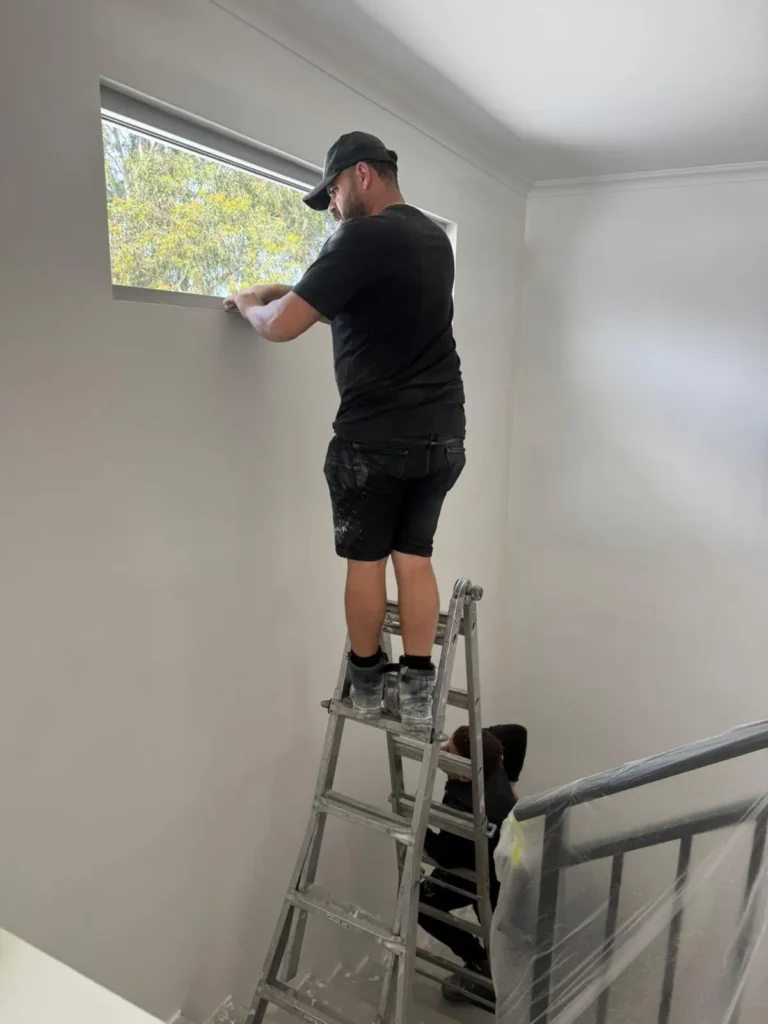
Understanding what goes wrong helps you spot issues early. Here are the most common commercial paint problems we’re called out to fix across Perth.
- Fading and colour loss caused by UV exposure, especially on north- and west-facing walls.
- Chalking, where the paint film breaks down into a powdery residue on the surface.
- Blistering and peeling caused by moisture trapped behind the paint film, often around windows, gutters, and downpipes.
- Cracking and flaking due to substrate movement, poor preparation, or ageing coatings.
- Mould, mildew, and algae growth, especially in shaded, damp, or poorly ventilated areas.
- Efflorescence, the white salty deposits that appear on masonry when moisture pushes minerals to the surface.
- Rust bleeding through paintwork on metal fixtures, common near the coast.
- Graffiti and vandalism, particularly on street-facing shopfronts and warehouse walls.
- Scuffing, chipping, and marking in high-traffic interior areas.
Every one of these issues is easier and cheaper to fix at the earliest stage. That’s exactly what a good maintenance program is designed to catch.
How to Budget for Commercial Painting Maintenance in Perth
Every property is different, but the principle is the same across the board: budgeting a small amount every year is far cheaper than a large capital expense every ten years.
Here’s how we help Perth property managers plan effectively:
- Set aside an annual maintenance budget of roughly 1% to 2% of the property’s overall value for exterior and interior upkeep.
- Plan capital repaints in five- to ten-year cycles and start accruing funds in advance.
- Prioritise problem areas — spend where the risk of failure is highest, not just where the damage is most visible.
- Bundle work strategically. Combining exterior repaints with roof coatings, line marking, or graffiti coatings can unlock efficiencies.
- Ask for a detailed scope and quote in writing. We provide transparent, itemised proposals so you know exactly what you’re paying for.
A structured maintenance plan gives you predictable costs, better negotiating power at budget time, and complete confidence that your asset is being properly looked after.
Frequently Asked Questions
How often should a commercial property in Perth be repainted?
Most Perth commercial properties benefit from an exterior repaint every 5 to 10 years and an interior repaint every 3 to 10 years, depending on foot traffic and exposure. Regular maintenance can extend these intervals significantly.
What is included in a commercial painting maintenance program?
How much does commercial painting maintenance in Perth cost?
Costs vary depending on the size of the property, access requirements, substrate condition, and scope of work. We provide free on-site assessments and detailed written quotes so you know exactly what to expect.
Do you offer maintenance contracts for strata and property management companies?
Yes. We offer tailored maintenance agreements for property managers, strata companies, retail landlords, and facility teams across Perth. These agreements provide predictable pricing, priority scheduling, and consistent service across your entire portfolio.
Can commercial painting be done outside business hours?
Absolutely. We regularly work after hours, on weekends, and in staged sections to keep your business running without interruption. Just let us know your requirements and we’ll build the schedule around you.
Book Your Commercial Painting Maintenance Consultation Today
A little maintenance now saves a great deal of money later, and it starts with a simple conversation. If you manage a commercial property in Perth and want to protect your investment with a proven, professional partner, we’d love to hear from you.
Call us directly on 0431 264 681 for a friendly, no-obligation chat about your property.
Email us at goldentouchperth@gmail.com with your building details and we’ll get back to you promptly.
Or fill out our online contact form and one of our team will be in touch to arrange your free on-site assessment.
At Golden Touch Painting Services, we don’t just paint buildings, we help Perth property managers protect them, present them, and preserve their value for the long haul. Let’s put together a commercial painting maintenance plan that works for you.